Large lightweight detector support
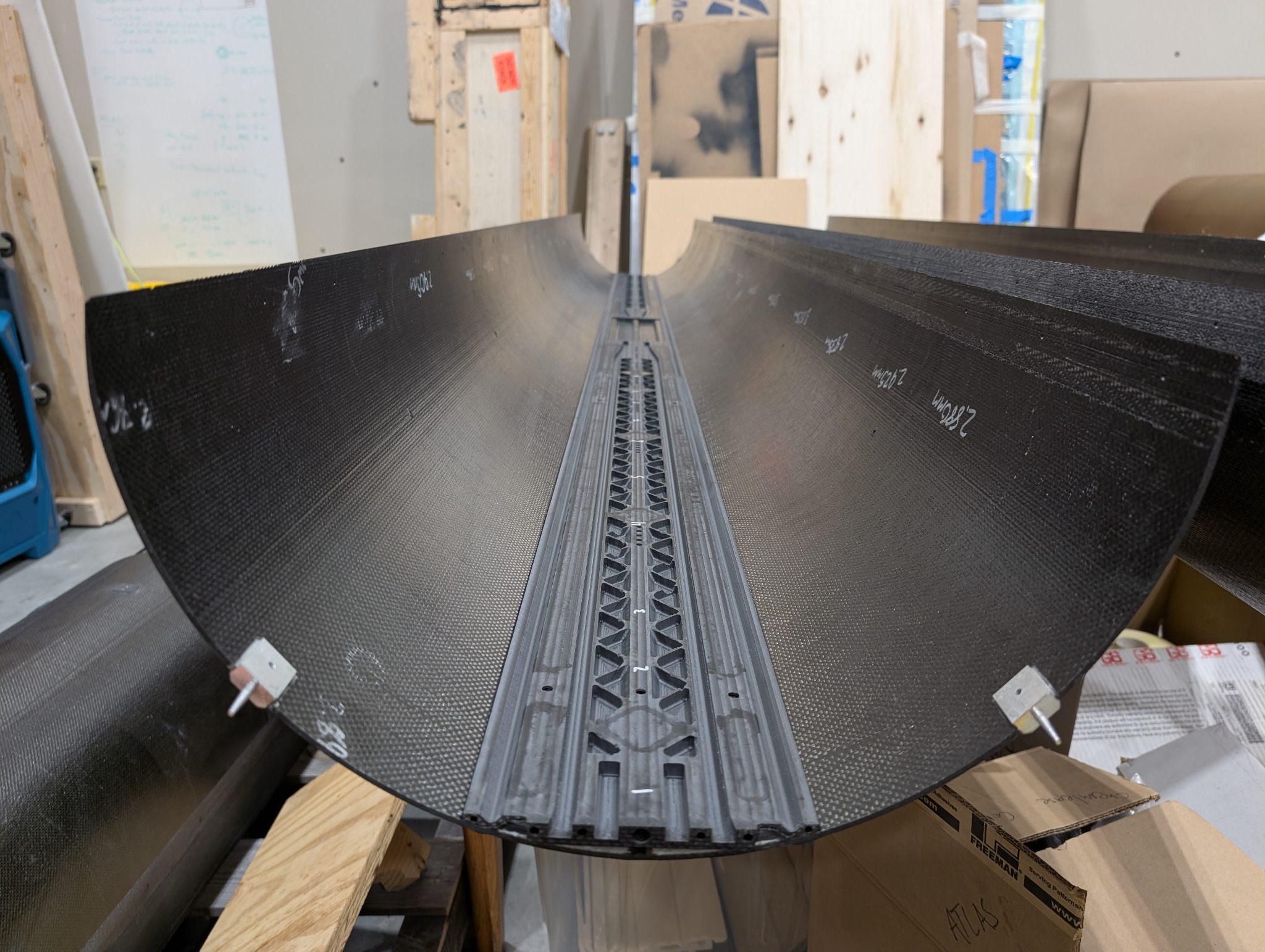
Composite support structure developed for silicon-detector instrumentation in a high-radiation LHC environment, illustrating low-mass structural design, integration, and challenging-environment constraints.
Research heritage & selected work
CoolTek grew from years of R&D in advanced composites, thermal management, precision support structures, and scientific instrumentation. The images below show representative research-group work that illustrates that technical heritage.
Composite support structure developed for silicon-detector instrumentation in a high-radiation LHC environment, illustrating low-mass structural design, integration, and challenging-environment constraints.

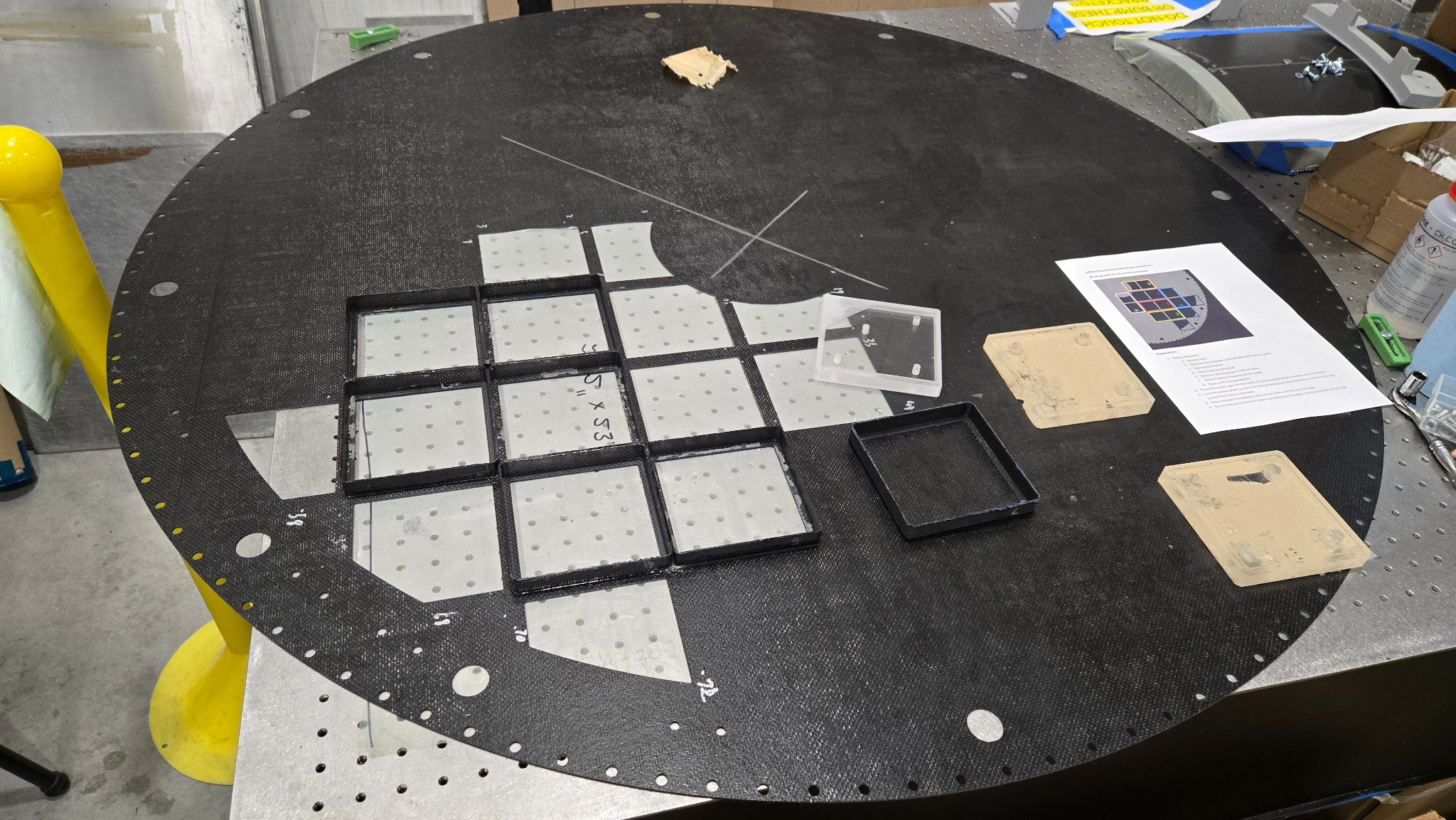
Representative large-area composite development structure for particle-identification instrumentation, combining lightweight construction with precision interfaces and distributed sensor integration.

Additively manufactured sensor-support prototypes using high-thermal-conductivity material—an example of integrating thermal performance directly into mechanical hardware.

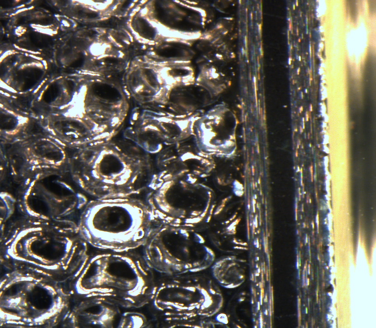
Microscopy of carbon foam joined to a three-ply carbon-fiber skin laminate, representative of low-mass detector-cooling structures where interfaces and thermal paths matter.

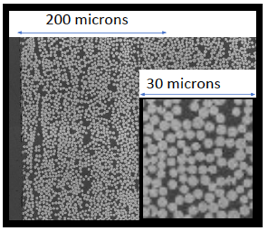
Microscopy of composite laminate structure at multiple length scales, supporting material/process understanding rather than treating the laminate as a black box.

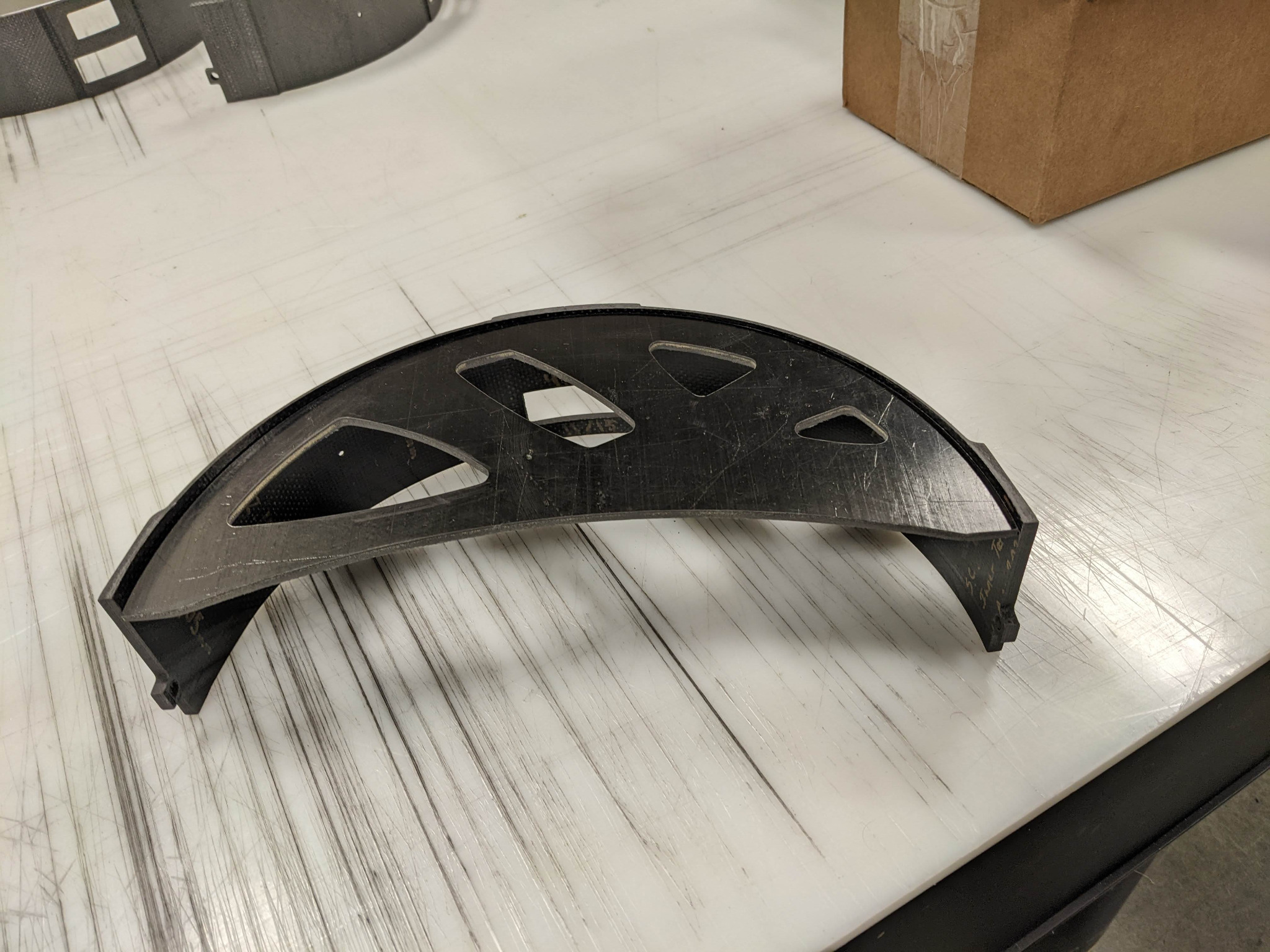
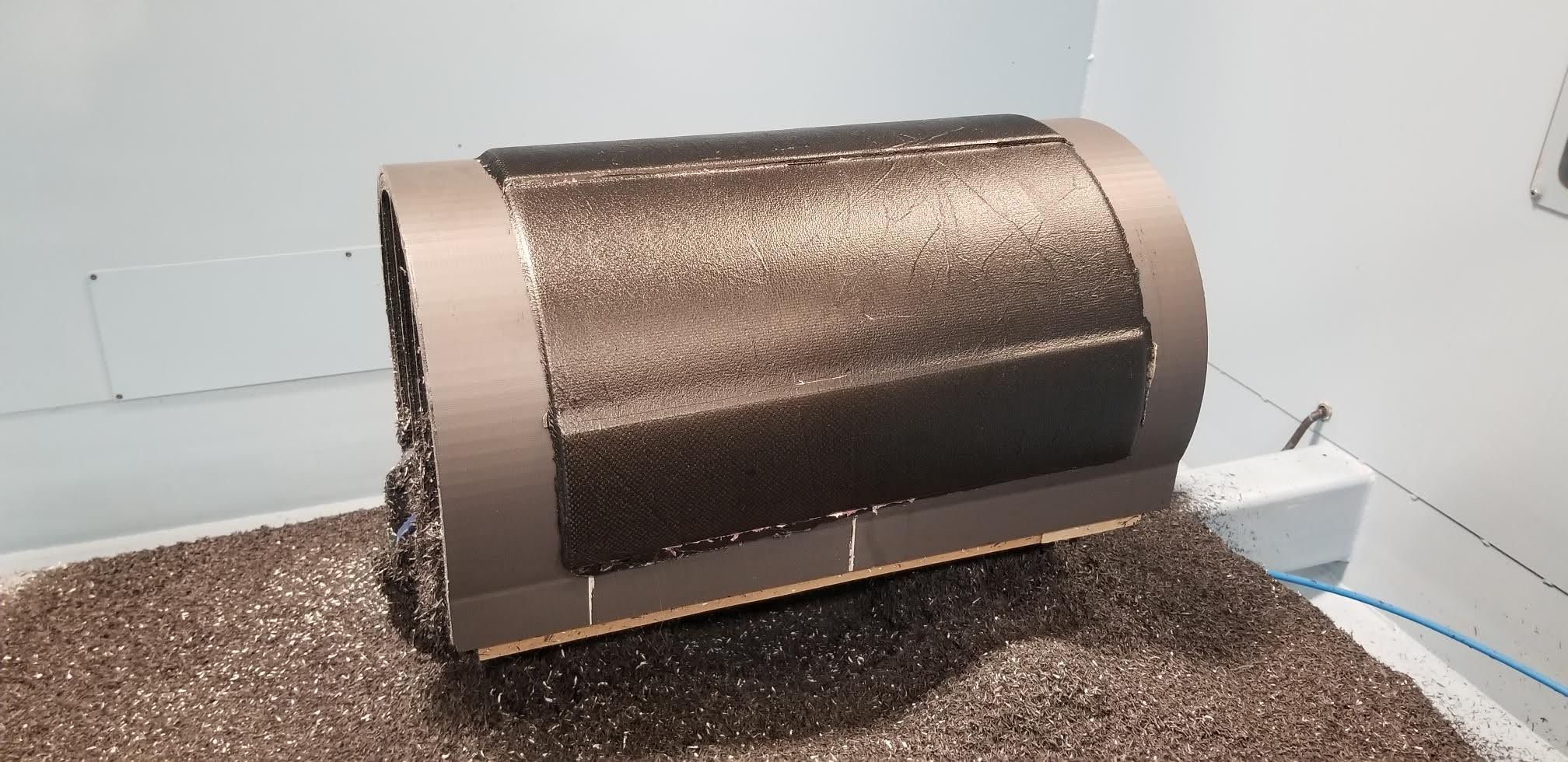
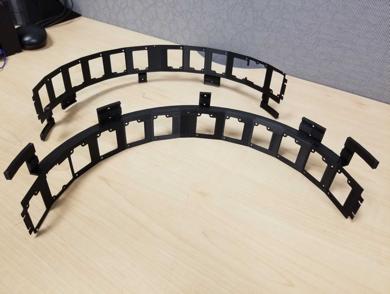
Curved composite development component illustrating lightweight geometry, precision cutouts, interfaces, and fabrication-to-hardware iteration.
Additional development images
The full Cloudflare package includes additional unchanged source photographs in assets/images/research-heritage/ for future use.

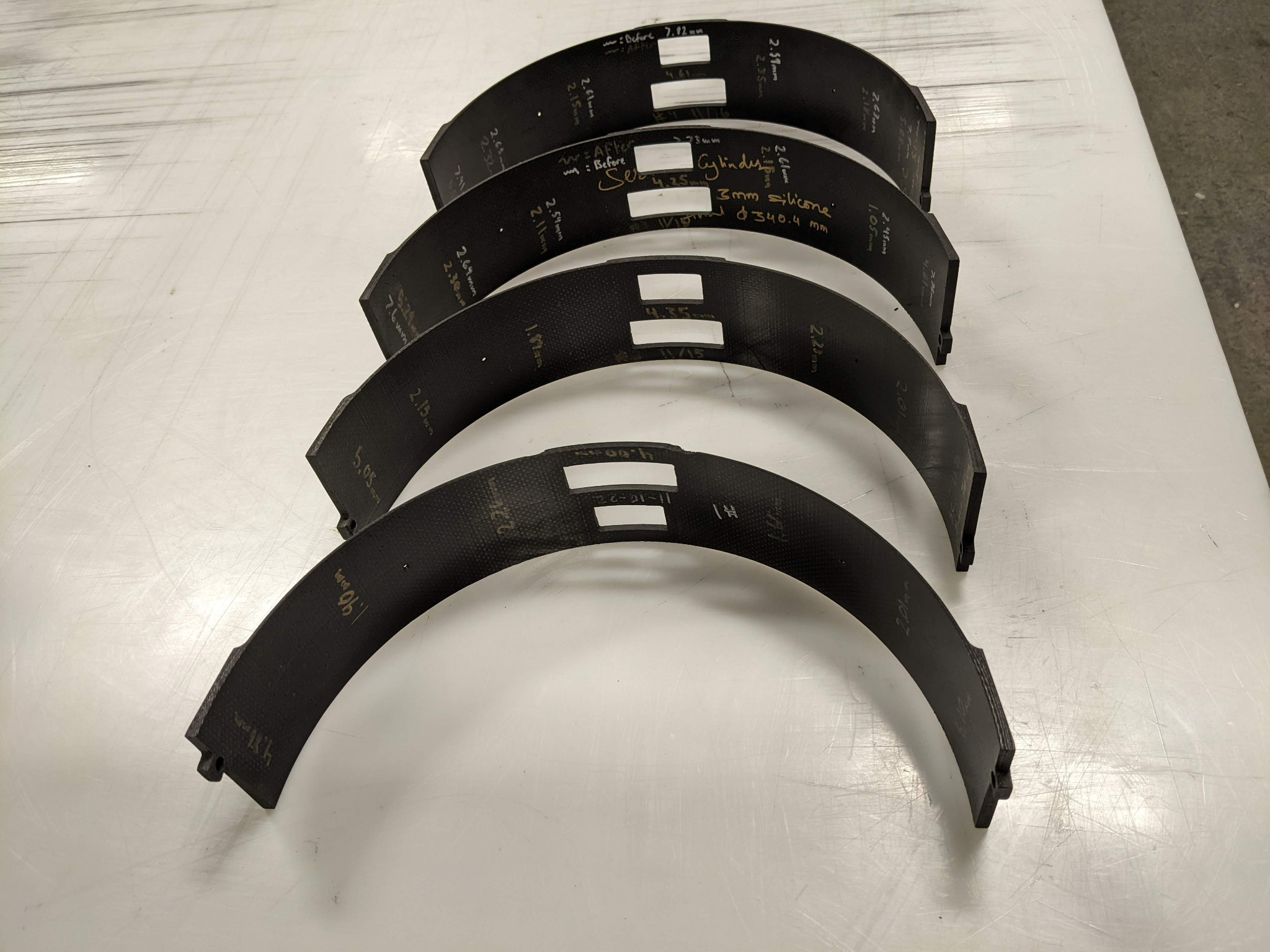
Multiple curved composite pieces documenting iterative geometry and process development.

Composite hardware during machining/finishing development, illustrating the importance of manufacturing details after layup.

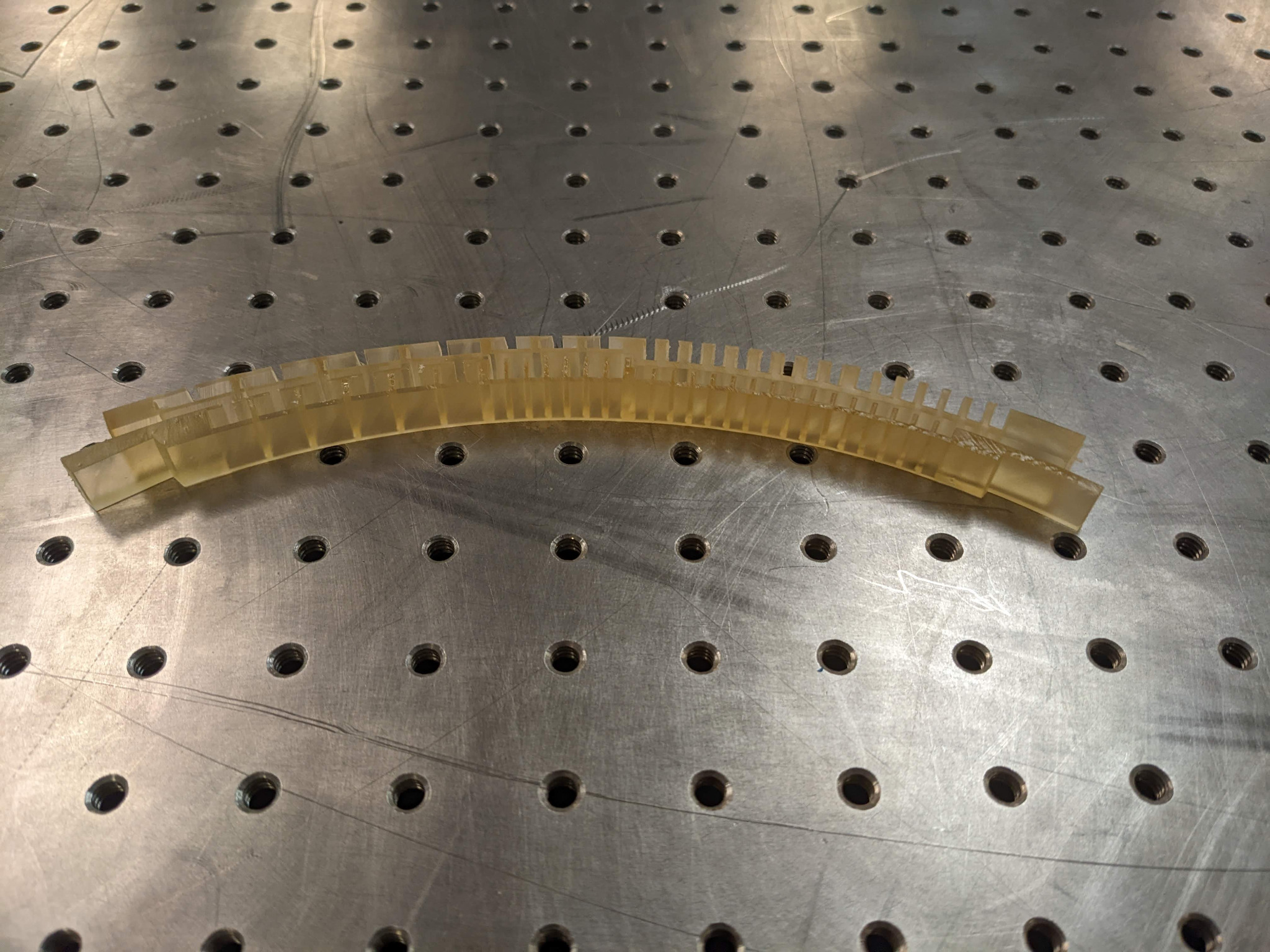
Curved prototype with fine integrated features used to explore manufacturable sensor-support concepts.
Start with the requirement
Tell us what the hardware needs to do, the operating environment, quantity, and schedule.